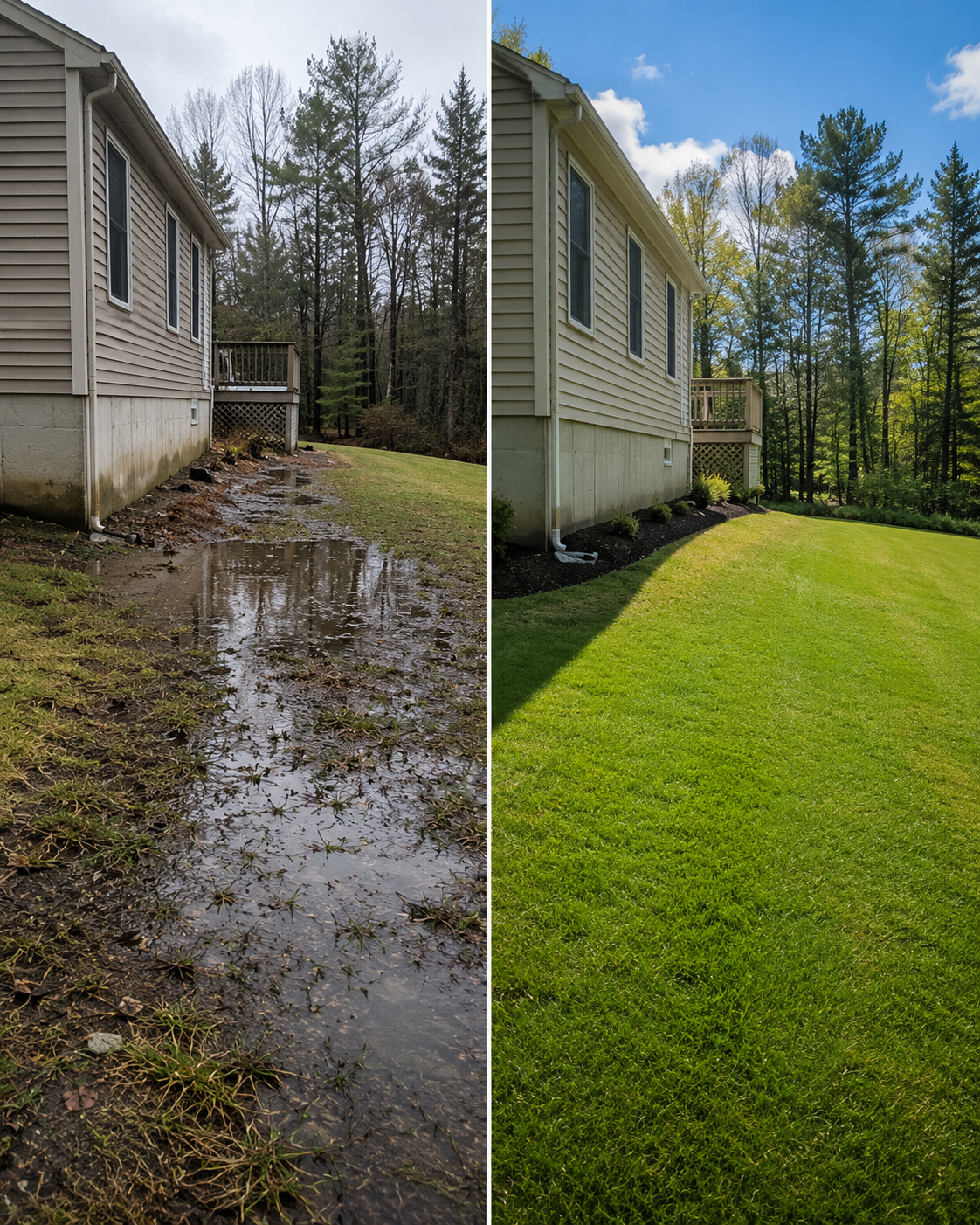
Between rapid snowmelt and steady spring rain, your yard is put to the test.

March 2, 2026
5 Min. Read
March 2, 2026
New Hampshire properties face unique water challenges.
Frozen ground prevents water from soaking into the soil, causing runoff to move across the surface instead.
Spring thaw and heavy storms can release large volumes of water in short periods of time.
Many Southern NH properties have soil that drains slowly, increasing the risk of pooling and flooding.
Without proper drainage, water often finds its way toward homes, foundations, and driveways.
You may need stormwater solutions if you notice:
These issues rarely improve without proper drainage systems.
Stormwater systems are designed based on the property’s layout, slope, and soil conditions.
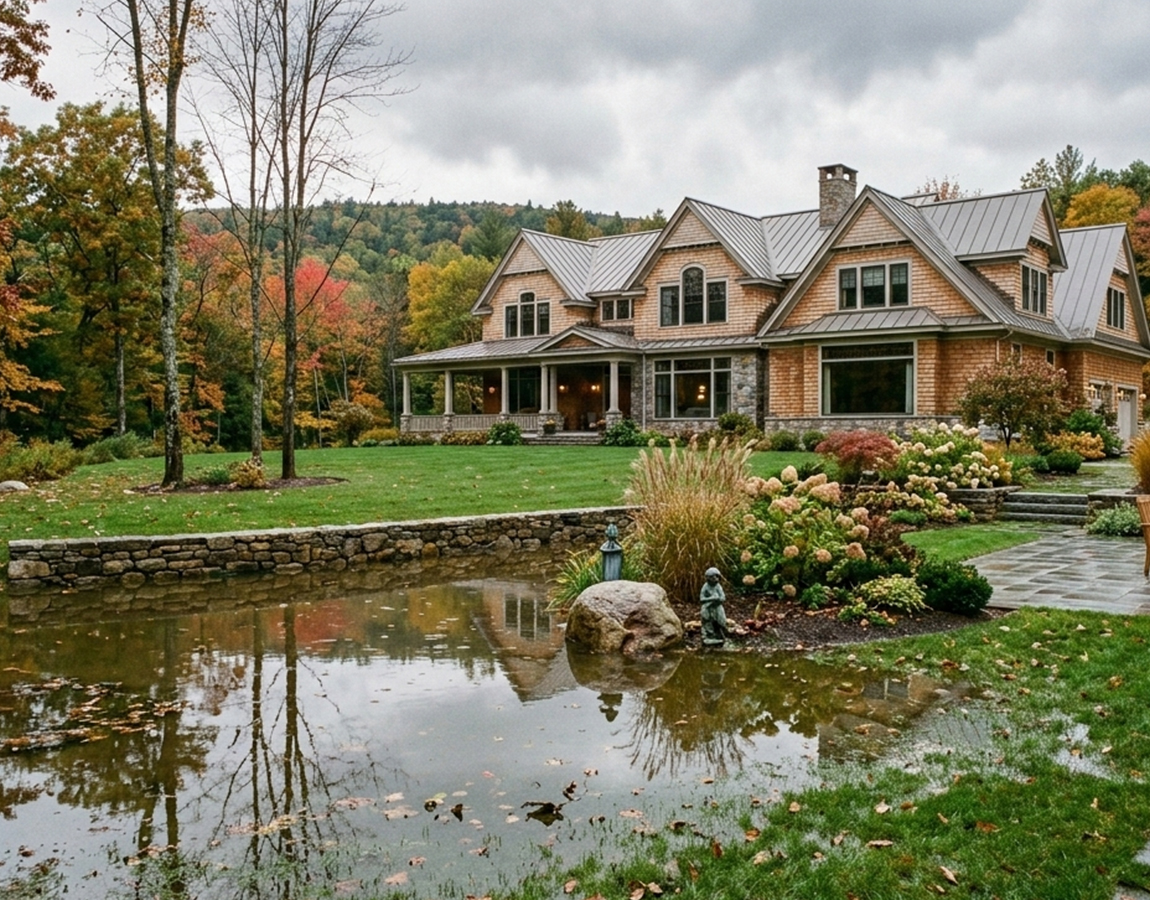
Detention ponds temporarily store stormwater and slowly release it into drainage systems.
They help reduce flooding and manage peak runoff during storms.
Retention ponds permanently hold water and help improve water quality while controlling runoff.
They are commonly used for larger properties and developments.
Proper grading directs water away from buildings and toward safe drainage areas.
Grading is often the foundation of an effective stormwater plan.
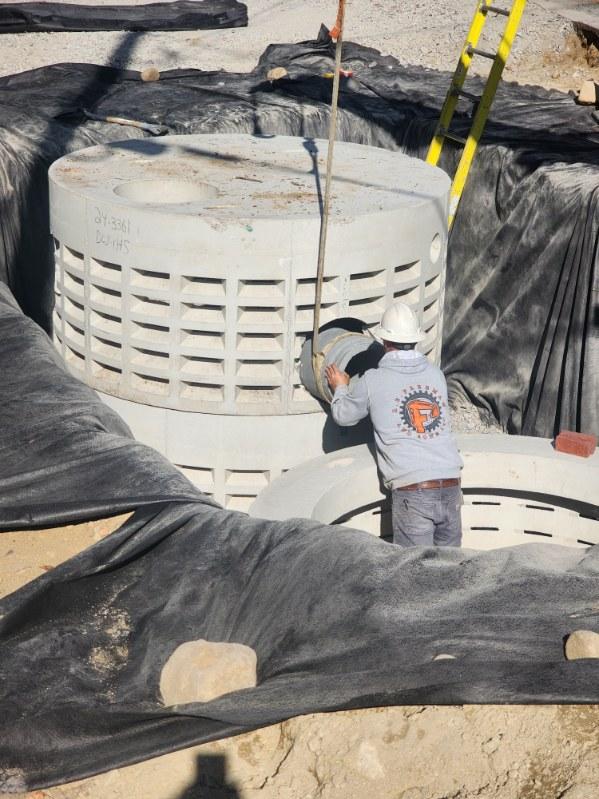
Catch basins collect surface water and move it safely through underground drainage systems.
These systems redirect groundwater and surface water away from problem areas.
They are commonly used near foundations and driveways.
Culverts allow stormwater to safely pass under roads, driveways, and walkways.
Stormwater can wash away soil and destabilize slopes.
Erosion control methods include:
Modern stormwater systems often include environmentally friendly solutions such as:
These solutions help reduce pollutants and improve long-term sustainability.
Ignoring drainage problems can lead to costly property damage.
Proactive stormwater management helps:
If your property has drainage or runoff issues, the best next step is a professional site evaluation.
R.E. Freeman & Sons provides stormwater management, grading, and drainage solutions throughout Southern New Hampshire.
If you’re dealing with water problems on your property, schedule an evaluation to develop a long-term drainage solution.


Between rapid snowmelt and steady spring rain, your yard is put to the test.
March 14, 2026
All that snow is turning to water. If it’s pooling in your yard or leaking into your basement, here’s what to know.
Ready to work with us?
Reliable excavation, drainage, and utility services for homes, businesses, and municipalities — built right and built to last. Contact us today.


Copyright © R.E. Freelman LLC | Designed By July Grey