Between rapid snowmelt and steady spring rain, your yard is put to the test.

March 9, 2026
4 Min. Read
March 9, 2026
A persistent sewage or rotten-egg smell outside is often the first red flag.
You may notice it:
This smell typically means wastewater is no longer being filtered properly underground.
This is never normal and should be investigated quickly.
If multiple drains in your home suddenly slow down at the same time, your septic system may be struggling to process wastewater.
Common symptoms include:
These symptoms often appear months before a full failure.
Your leach field should remain dry most of the time.
Warning signs include:
In Southern New Hampshire’s rocky and clay soils, this is a very common early failure sign.
One of the most overlooked warning signs is grass that looks too healthy.
If one area of your yard is:
Wastewater may be rising too close to the surface and acting as fertilizer.
Even one sewage backup is a serious warning.
Multiple backups almost always indicate a failing system.
Backups may appear:
This is both a property risk and a health hazard.
Many New Hampshire homes rely on private wells.
When septic systems fail, contaminants can seep into groundwater and impact drinking water quality.
If a water test shows elevated nitrates or bacteria, your septic system could be part of the cause.
Septic systems do not last forever.
Typical lifespan:
If your system is approaching this age, failure risk increases significantly.
Septic issues rarely improve on their own.
Waiting can lead to:
Planning a replacement early gives homeowners more control, more time, and often lower costs.
Emergency replacements are almost always the most expensive scenario.
Once a septic system begins failing, replacement is often the safest and most cost-effective long-term solution.
Replacement is typically recommended when:
A professional evaluation can determine the best path forward.
If you’re noticing any of these signs, the best next step is a septic system evaluation and replacement estimate.
Replacing a failing septic system before a full collapse can:
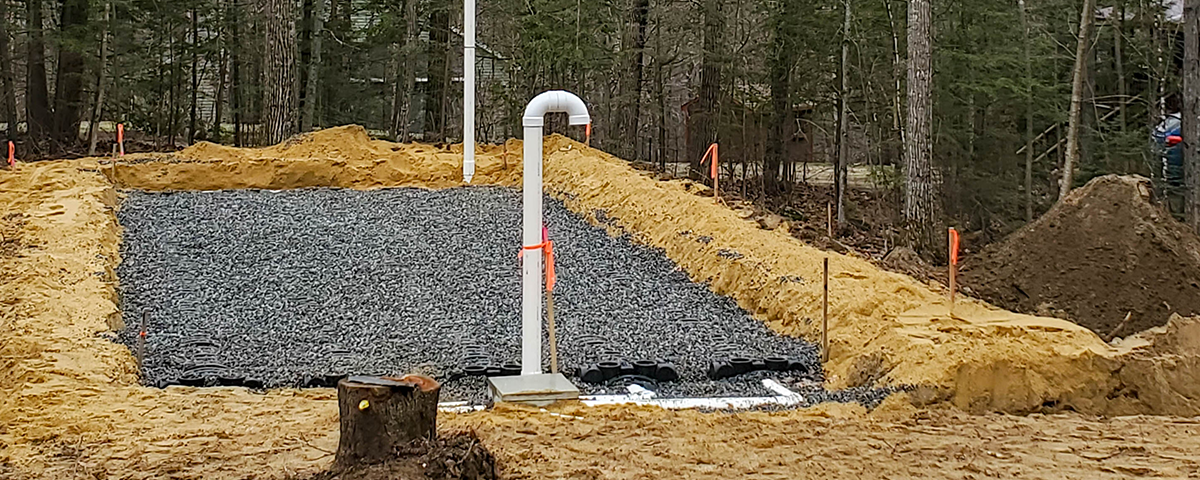
R.E. Freeman & Sons specializes in septic system replacement and excavation across Southern New Hampshire.
If you suspect your septic system may be failing, now is the time to schedule an evaluation and plan your next steps before the problem gets worse.


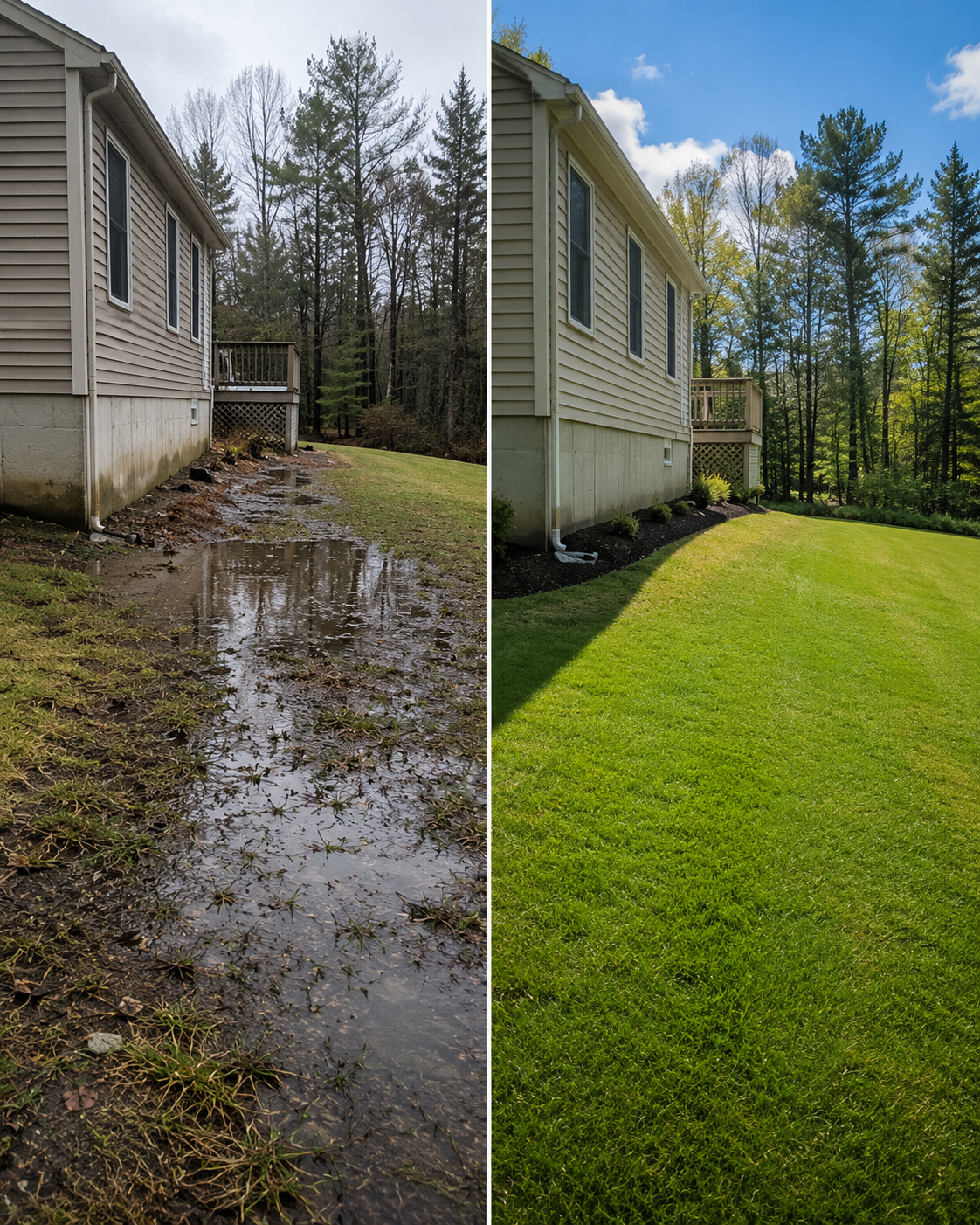
Between rapid snowmelt and steady spring rain, your yard is put to the test.

March 14, 2026
All that snow is turning to water. If it’s pooling in your yard or leaking into your basement, here’s what to know.
Ready to work with us?
Reliable excavation, drainage, and utility services for homes, businesses, and municipalities — built right and built to last. Contact us today.


Copyright © R.E. Freelman LLC | Designed By July Grey